Blog

Capacitor: From Web to Mobile Apps. Part 4. Integrating a Local LLM into the Project
In this 5th article, we'll discuss the relevance of local AI in mobile applications and integrate a local LLM plugin into a Capacitor application.

Capacitor: From Web to Mobile Apps. Part 3. OTA Updates Without App Stores
This 4th article in the series is a refactoring of my old article about bundle updates in Capacitor. In this updated article, we'll revisit the update mechanism and explore a new, more structured implementation.
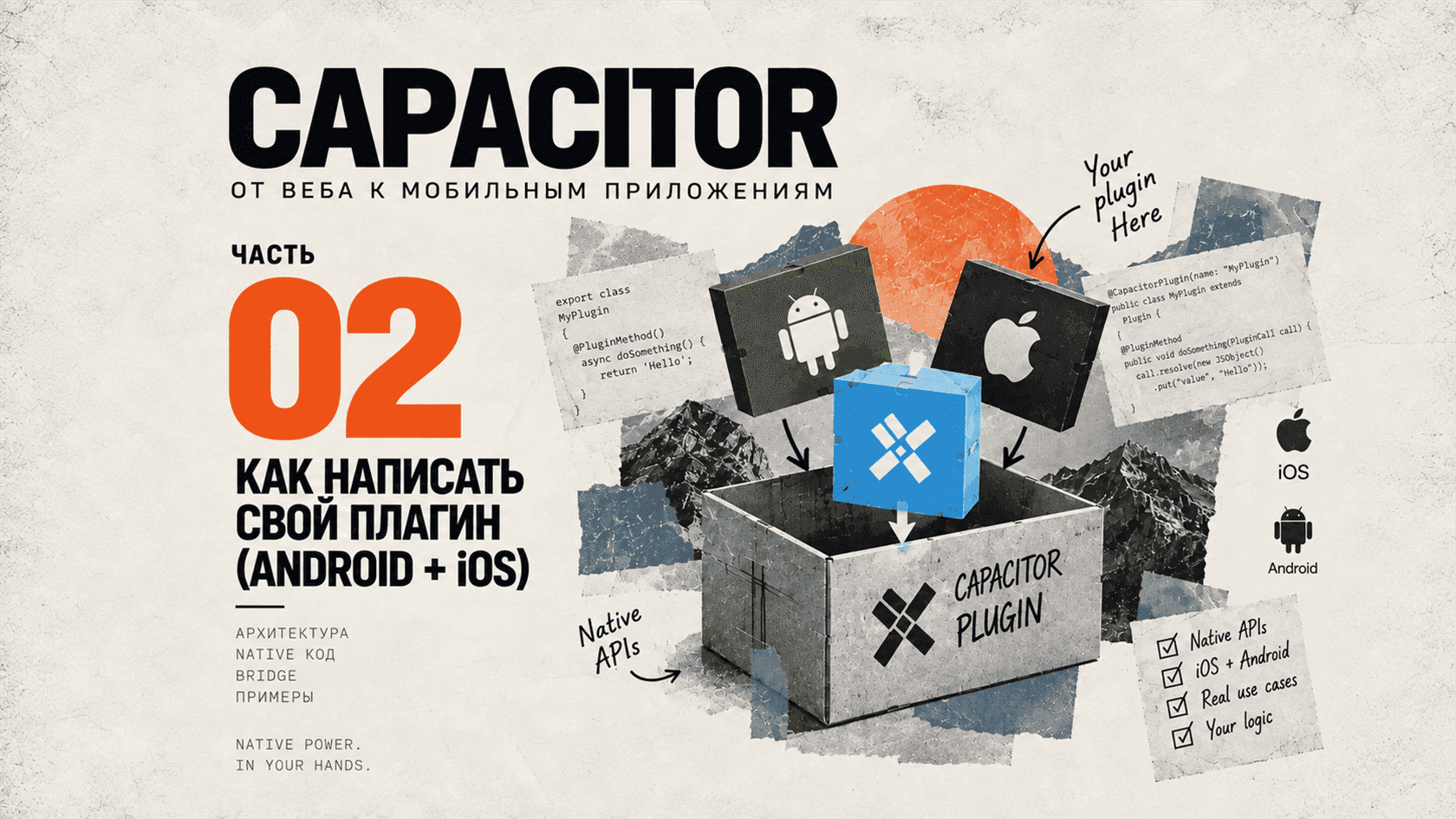
Capacitor: From Web to Mobile Apps. Part 2. How to Write Your Own Plugin (Android + iOS)
In this 3rd article we move to the most important part of Capacitor's architecture — plugins. Plugins turn a WebView into a fully functional mobile app, giving you access to camera, file system, push notifications, Bluetooth, and more.

Capacitor: From Web to Mobile Apps. Part 1. Migrating a Project to Capacitor
In the first part of the series, we figured out why Capacitor is needed and why it became a solid choice for cross-platform development. Now we move to the most painful and interesting stage: migrating an existing web application.

Capacitor 8 Release
On December 8, 2025, Capacitor 8 was released. Read about new features and migration from older versions in the article.
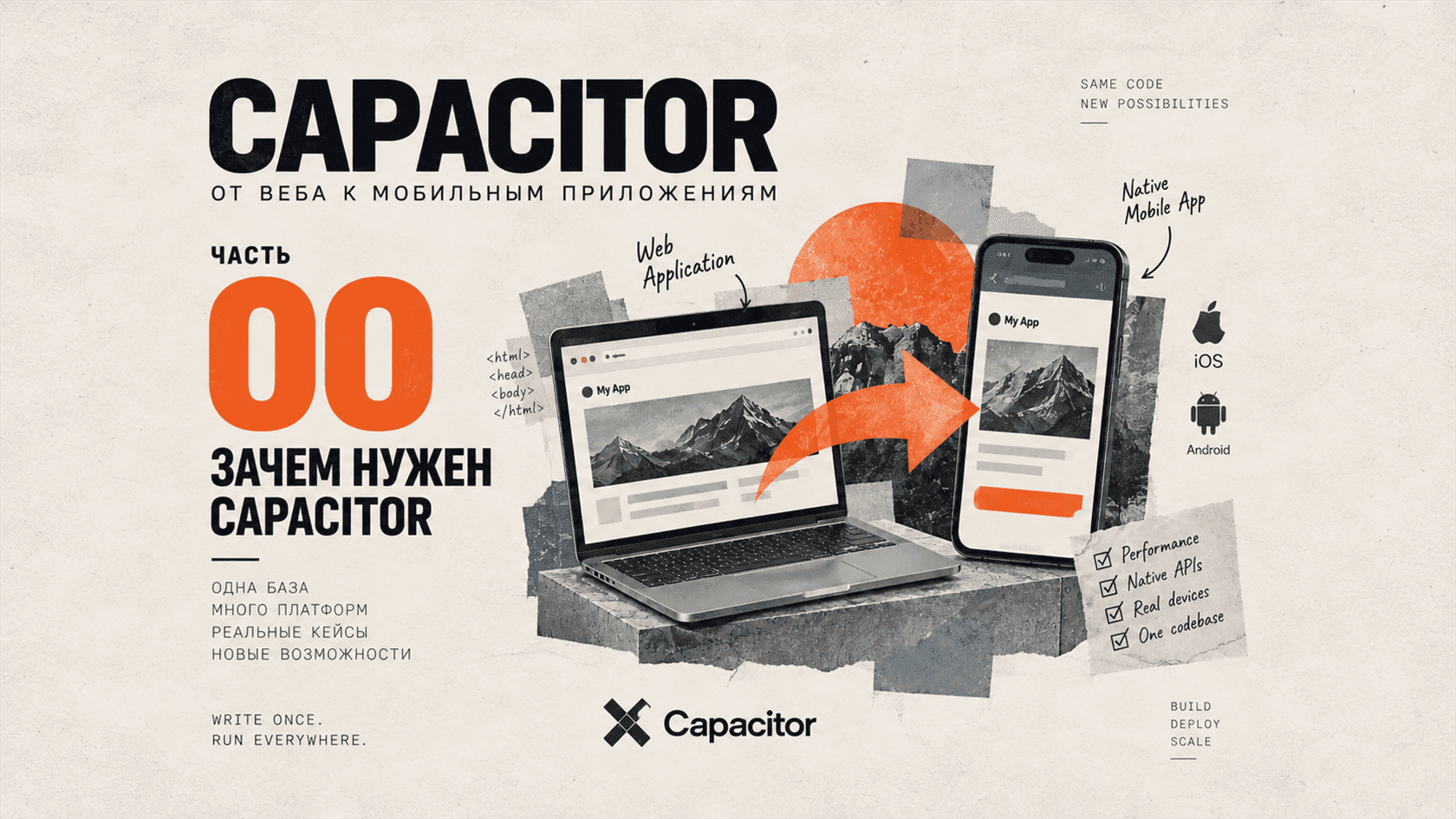
Capacitor: From Web to Mobile Apps. Part 0. Why Do You Need Capacitor
Happy New Year from Habr. My name is Ilia, I'm a Frontend developer at Bastion. January weekends at their most relaxed, but many, including me, are looking for useful information. Sit back, because now we'll talk about a remarkable technology for developing hybrid mobile applications — Capacitor.